

Single-Family Homes
Single-family homes are standalone structures designed for one household. They offer the most privacy and space, and they come in a wide range of architectural styles. Here are the most common types of homes you’ll encounter:
Ranch Style
The ranch is a single-story home with a long, low profile and open floor plan. Popularized in the 1950s and 60s, ranches are prized for their accessibility (no stairs) and easy indoor-outdoor flow. They’re ideal for retirees and anyone who prefers everything on one level.
Colonial
Colonial homes feature a symmetrical facade, typically two stories, with bedrooms upstairs and living spaces downstairs. Rooted in early American architecture, they offer classic curb appeal and efficient use of space. Variants include Dutch Colonial (with its distinctive gambrel roof) and Georgian Colonial (known for brick exteriors and formal proportions).
Craftsman
Known for exposed rafters, front porches with tapered columns, and handcrafted woodwork, Craftsman homes emphasize natural materials and cozy proportions. If you’re drawn to character and detail, a Craftsman is hard to beat — though original woodwork requires maintenance.
Modern and Contemporary
Modern homes (mid-century to present) feature clean lines, large windows, flat or low-pitched roofs, and open layouts. Contemporary takes this further with bold geometric forms and mixed materials like glass, steel, and concrete. These homes maximize natural light but can feel stark if not warmed up with texture.
Cape Cod
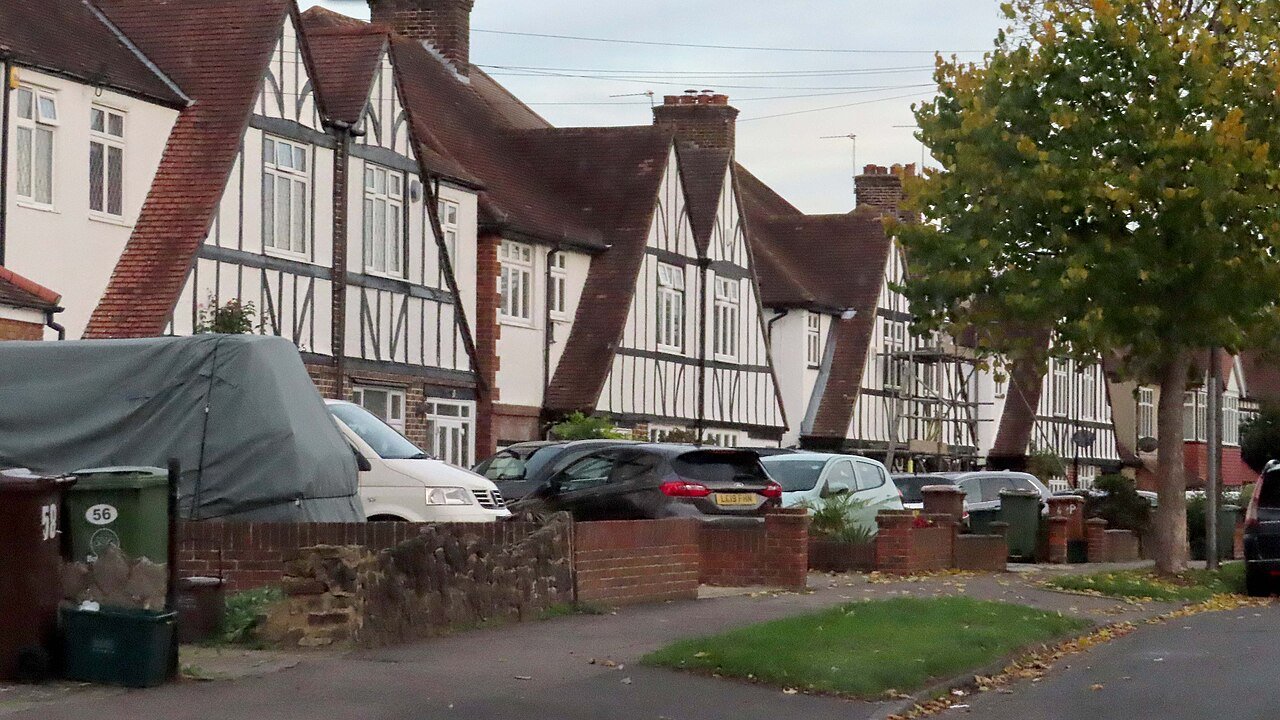
This compact 1.5-story style originated in New England. With its steep roof, central chimney, and dormer windows, the Cape Cod is charming and efficient — though the upstairs bedrooms often have sloped ceilings that limit furniture placement.
Victorian
Victorians are ornate, multi-story homes with bay windows, turrets, wraparound porches, and intricate trim. They’re stunning but demand significant upkeep — those decorative details need regular painting and repair.
Multi-Family Homes
Multi-family properties contain two or more separate living units:
- Duplex: Two units, either side-by-side or stacked. Great for house-hacking (live in one, rent the other).
- Triplex/Fourplex: Three or four units. Popular with investors for cash flow.
- Apartment buildings: Five or more units, typically investment properties.
Condos and Townhouses
Condos are individually owned units within a larger building or complex. You own the interior; the HOA maintains exteriors and common areas. They’re low-maintenance but come with monthly HOA fees and less control over the property.
Townhouses are multi-story homes that share walls with neighbors but have their own entrance. You typically own the structure and a small yard. They bridge the gap between condos and single-family homes — more space and privacy than a condo, less maintenance than a detached house.
Specialty Home Types
- Tiny homes: Under 400 square feet, built for minimalist living. Lower costs but major lifestyle adjustment.
- Barndominiums: Metal barn-style structures converted to living space. Durable and affordable per square foot.
- Manufactured homes: Factory-built and transported to site. Much more affordable than site-built, though they may appreciate more slowly.
- Co-ops: You buy shares in a corporation that owns the building rather than the unit itself. Common in cities like New York.
Choosing the Right Type for You
Consider your budget, lifestyle, maintenance tolerance, and long-term plans. A young professional might love a low-maintenance condo, while a growing family needs the space of a single-family home. Think about resale too — some home renovation projects add more value to certain home types than others.
For visual inspiration across architectural styles, HGTV’s design section showcases real homes in every style imaginable.
Final Thoughts
Understanding the different types of homes helps you shop smarter, whether you’re buying your first place or your fifth. Each style has trade-offs in cost, maintenance, space, and character — match the home to your life, not the other way around.



Comments 1